
Workers Compensation
Experienced Pittsburgh Lawyers Fight For The Injured and Disabled
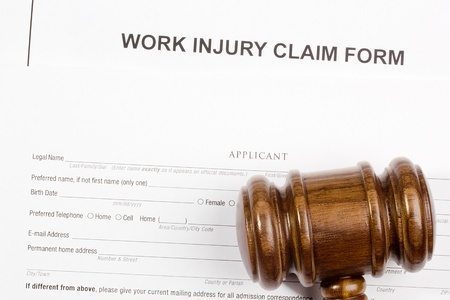
Thomas A. Will & Associates fight for your rights, whether your injury happened at your workplace, the nature of your work led to an occupational disease, or you developed a repetitive stress injury. They take on third parties and insurance companies on your behalf. Their goal is to win just compensation for clients to rebuild their lives financially, physically, and emotionally.
Thomas A. Will & Associates help you or your loved ones receive benefits from Pennsylvania workers compensation for the following:
- Medical expenses
- Rehabilitation
- Full or partial disability
6 Reasons to Consult A Workers Compensation Lawyer
- Your employer is punishing or retaliating against you for filing a claim.
- You are denied workers compensation benefits.
- Your employer asks you to submit to a medical examination by their own “expert.”
- You are contacted to meet with a rehabilitation counselor.
- Your employer or their insurer offers to settle your claim.
- Your gut feeling tells you something/everything is not right.
Have you experienced a head injury? Did you know that even today many hospitals and medical experts are still failing to properly diagnose concussion symptoms suffered by many of their patients? When one suffers a head injury it may be very harmful towards their recovery to return back to work too early. If you have recently been involved with a traumatic event involving your head and are suffering from headaches, fatigue, dizziness, feeling detached, mood swings, depression, have difficulty sleeping or are having trouble with concentrating on a daily basis it is important to contact our office immediately so that we can get you the help you need and deserve.
Handling your workers comp claims, appeals and settlements in Western Pennsylvania
The workers compensation process can often result in a denied claim or reduced benefits. Thomas A. Will & Associates provide the effective representation you need at all board hearings, in the Appellate Division, and in the Court of Appeals for unfavorable decisions on all types of workers compensation claims.
Pittsburgh Social Security Disability
If you suffer an injury or disease that prevents you from returning to work, Thomas A. Will & Associates can help you obtain government assistance. Thomas A. Will & Associates has the experience to win Social Security Disability benefits that can enable you to receive payments for the rest of your life or throughout your long-term disability. They prepare for and appear with you at Social Security hearings before administrative law judges and federal courts to obtain the benefits to which you are entitled.
Thomas A. Will & Associates help clients with the following types of claims:
- Disability claims
- Retirement claims
- Disabled child claims
- Survivor benefits
- Overpayments
- Proof of age claims
- Appeals
- Private disability insurance policies
- Employer provided disability insurance policies
Thomas A. Will & Associates handle appeals for people who are denied Supplemental Security Income benefits (SSI). These benefits are paid to people who have not paid enough money into Social Security to be entitled to disability benefits, but can receive payments because they are disabled and are in financial need.
Your workers comp advocate in Pittsburgh, PA
If you have suffered an injury at your workplace or a disability keeps you from your work, contact Thomas A. Will & Associates to arrange a free initial consultation.